
The Rise and Popularity of Podcasts
Podcasts have been around for more than two decades. What started out as an audio RSS feed has become a several billion-dollar industry.

Podcasts have been around for more than two decades. What started out as an audio RSS feed has become a several billion-dollar industry.

Self-guided B2B buying journeys seem to be a growing trend in the B2B sector. More than ever before, we are seeing buyers would rather conduct their own extensive research, rather than relying on others, before purchasing a product.

In an era where technological advancement sets the tempo for competitive industries, manufacturing stands out as a field consistently seeking efficiency and innovation. Within this sphere, the term “custom software” refers to bespoke applications designed to streamline and enhance manufacturing operations.

Language connects the world. In a time when companies continue to expand across borders and the global marketplace becomes increasingly more accessible for businesses of all sizes, reaching international audiences requires a few extra steps in your marketing plan if you don’t want your business to get lost in translation.
The dawn of a new year has many of us reflecting on the things we did right, the things we did wrong and a way to make improvements in the future. Applying this to marketing, we’ve rounded up the top five B2B marketing trends you should be watching, and applying, in 2024.


In the old days, people talked about public relations and advertising. Nowadays, they talk in terms of earned and paid coverage. One thing remains the same though, both are distinct forms of media exposure, each with its own set of characteristics and purpose.

Technology has transformed the marketing industry by creating ecosystems that are more integrated for marketers. New technology trends have changed the infrastructure of how companies shape marketing strategies and budgets. The efficiency and automation that technology provides is pivotal to a successful strategy.

Marketing is constantly changing and evolving as consumer needs and designs shift. To stay competitive and survive in this growing industry, it’s important to adapt to growing technology trends and tools. The latest technology revolutionizing the marketing industry is Artificial Intelligence (AI). The power of AI can fundamentally change the way we approach marketing in the future.
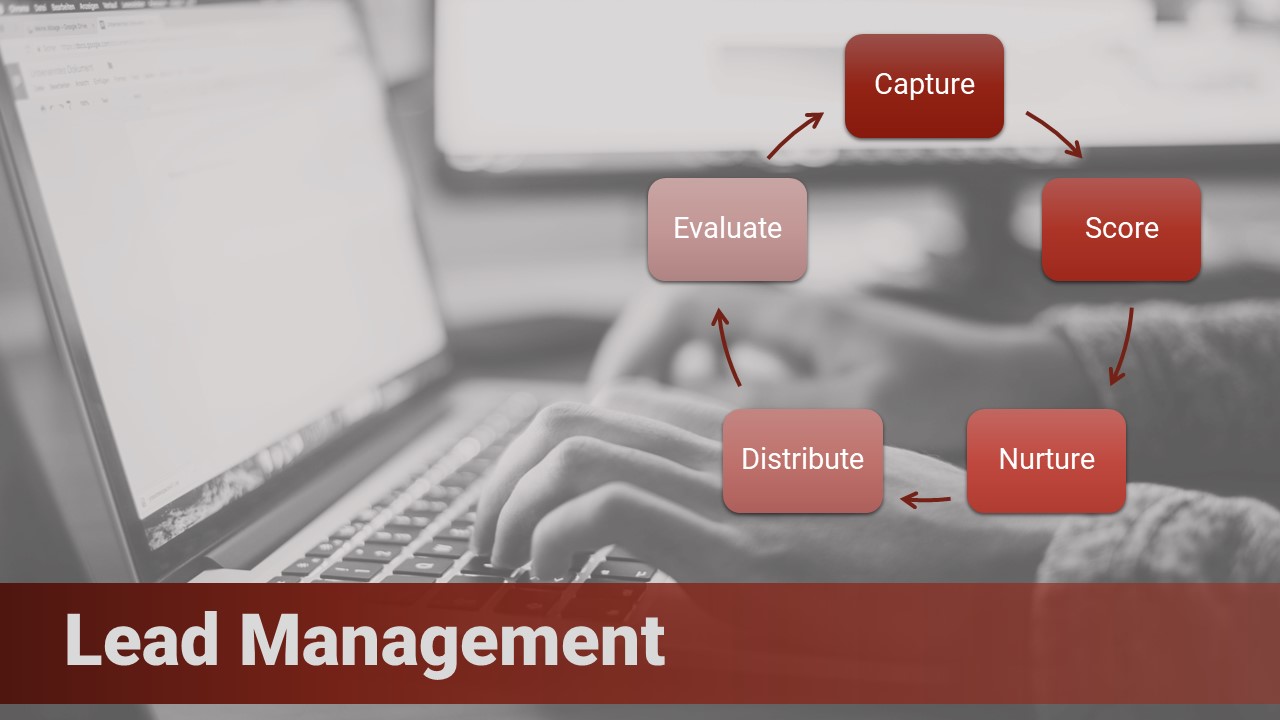
The ultimate goal of business is to grow in revenue. A main component in that is gaining new customers, so marketers spend both money and resources to educate prospects about why their company’s products and services are the best out there. The problem is that most of the time, people seeing your ads or reading your whitepapers and press releases aren’t entirely ready to commit.

It’s not uncommon for marketing teams to be presented with a conundrum about allocating resources and expertise. This is especially true for smaller marketing teams where existing internal resources don’t always match the needs of the project.

Customer service is a top priority of companies all over the world, or at least it should be. This is the key difference between a business goal (making money) and the company’s mission (helping people). However, when it comes to setting priorities, should the almighty dollar be your guiding light when doing business?